Diet means way of life, lifestyle from diaeta- in Latin.
A gentle, integrative approach to eating for gut health and emotional wellbeing
Living with Inflammatory Bowel Disease (IBD), Coeliac Disease, or a Disorder of Gut–Brain Interaction (DGBI) can make food feel complicated. You may find yourself navigating symptoms, uncertainty, and conflicting advice — all while trying to maintain a sense of normality around eating.
My approach brings together specialist gastroenterology dietetics with a deep understanding of the brain-gut connection. The aim is simple: to help you feel safe, confident, and supported in your relationship with food.
Food, emotions, and the gut are deeply connected
When the gut is sensitive, even small changes in stress, sleep, or routine can affect symptoms. Many people describe:
• feeling anxious before meals
• avoiding foods “just in case”
• eating while tense
• losing trust in their gut
These responses are completely understandable — and they can ease with the right support.
Together, we explore not only what you eat but also how your body and mind respond to food. This creates space for clarity, confidence, and calm.

Support for DGBI, IBD, and coeliac disease
As a Registered Dietitian with over 20 years’ experience, I support people with a wide range of digestive conditions, including:
DGBI
Irritable Bowel Syndrome (IBS)
Bloating symptoms
Abdominal pain
Visceral hypersensitivity
Gut–brain dysregulation linked to stress or sleep
IBD (Crohn’s disease & ulcerative colitis)
Nutritional optimisation in remission
Managing symptoms during flare‑ups
Supporting energy, micronutrient status, and gut comfort
Reducing fear around food after periods of instability
Coeliac disease
Safe, confident gluten‑free living
Troubleshooting ongoing symptoms
Ensuring nutritional adequacy without overwhelm
My aim is always to reduce restriction, not increase it — and to help you build a way of eating that feels sustainable and nourishing.
Integrating diet with the brain-gut connection
Food is only one part of the picture. The gut responds to:
stress
emotional load
sleep quality
past experiences
the stories we tell ourselves about symptoms
This is why I integrate gut‑directed hypnotherapy, imagery, and communication‑based regulation into my dietetic practice. These tools help to calm the nervous system, reduce symptom reactivity, and create a sense of safety around eating.
As this foundation settles, something meaningful often shifts: people working towards improved well‑being frequently report feeling more grounded, more in control, and less overwhelmed by their symptoms — even before dietary changes begin.

What working together feels like
You can expect:
a calm, supportive space
clear explanations without overwhelm
personalised dietary guidance
exploration of symptom patterns
tools to reduce anxiety around food
strategies that support long‑term wellbeing
We move at your pace, building confidence step by step, and focusing on what feels realistic and kind to your body.
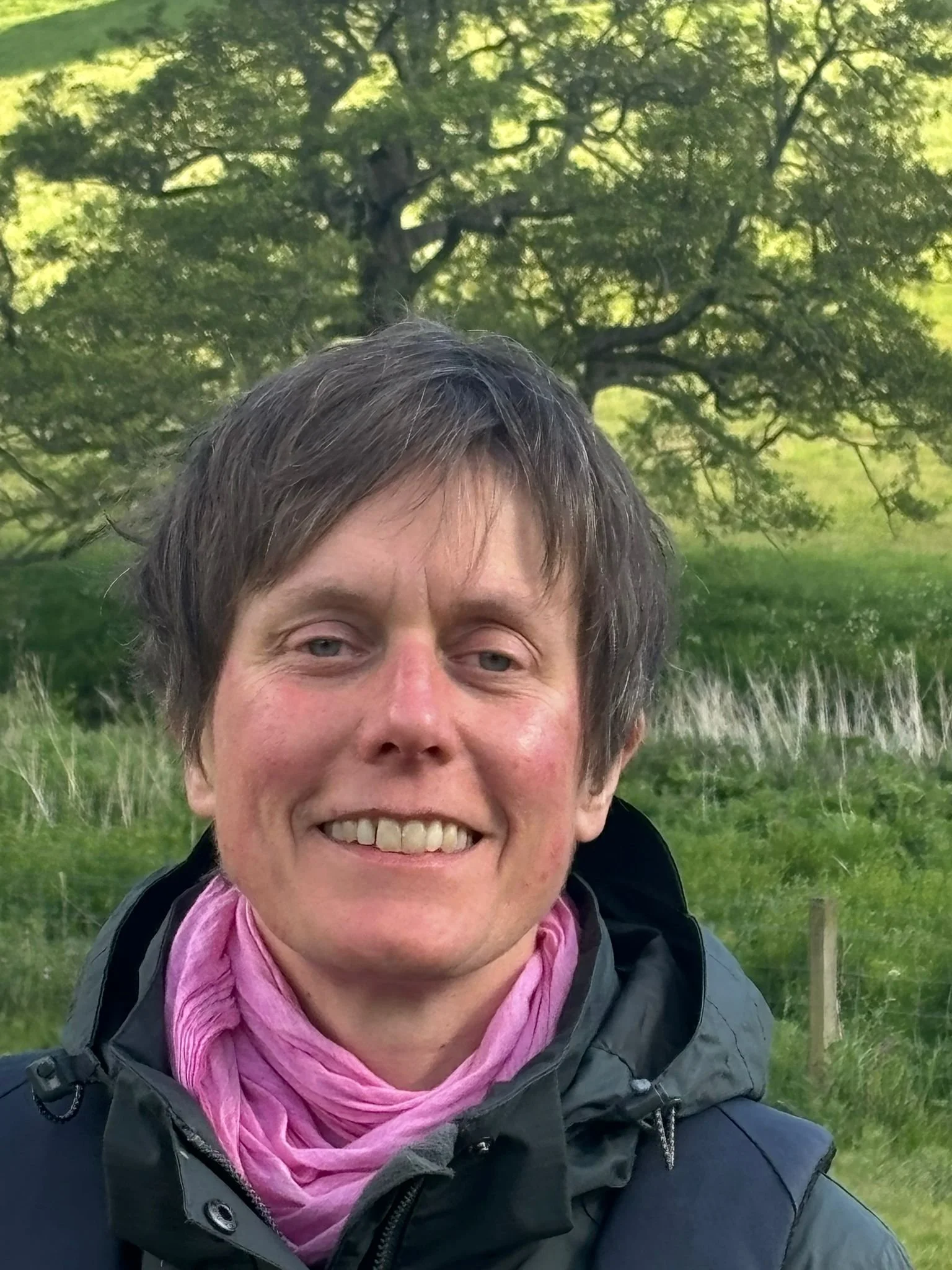
“Your gut can learn to feel safe again. Your diet can become part of your healing, rather than a source of fear.”
If you’d like support, you’re welcome to book a consultation and begin this journey towards a healthier way of life